
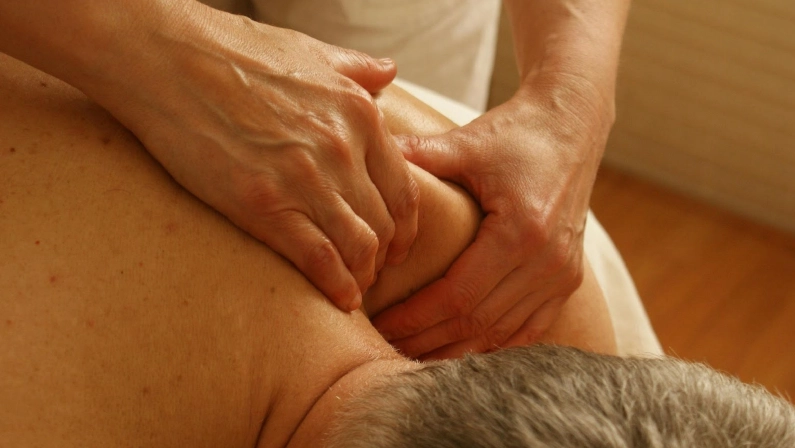
Sore muscles and stiffness can slow you down. Without proper recovery, tight muscles may cause discomfort, reduce mobility, and increase the risk of injuries. This is where remedial massage Gold Coast services help.
Unlike relaxation massages, remedial massage for injury recovery targets muscle imbalances and soft tissue issues. It improves flexibility, boosts circulation, and supports faster recovery. By easing tension and strengthening muscles, it also lowers the chances of future injuries.
If you’re considering remedial massage as part of your recovery routine, booking a session through a trusted massage service page ensures you receive expert care tailored to your needs.
But how does it work? Who benefits the most? This guide explores the key advantages of remedial massage and why it’s a smart choice for muscle health.
What Is Remedial Massage?
Remedial massage is a hands-on therapy that finds and fixes these issues, helping the body heal properly instead of just masking the pain. When rest isn’t enough, stiffness and tightness may signal a deeper problem that needs attention.
Unlike a regular massage that focuses on relaxation, remedial massage targets muscle knots, tension, and imbalances. Therapists apply firm pressure, stretch tight muscles, and improve circulation to ease soreness and restore movement.
What makes remedial massage Gold Coast services effective is their personalized approach. Every session is tailored to the body’s needs, whether easing sports injuries, poor posture, or everyday aches.
How Remedial Massage Aids Muscle Recovery
Remedial massage helps by improving blood flow, relieving muscle tension, and speeding up healing. It brings more oxygen and nutrients to the muscles, allowing them to repair faster and reducing post-workout soreness.
Tight muscles and knots can limit movement and cause lingering discomfort. Remedial massage works deep into the muscles to release tension and improve flexibility. This prevents stiffness from turning into long-term restrictions that could lead to injuries.
A study from McMaster University found that massage therapy can reduce inflammation and speed up muscle recovery. By enhancing circulation and alleviating stiffness, it supports the body’s natural healing process.
Role of Remedial Massage in Injury Prevention
- Enhances Flexibility and Mobility
Keeping muscles supple reduces the risk of strains and tears. Remedial massage improves range of motion, allowing for smoother, safer movement. In a study about the role of massage in sports found that massage increases flexibility, which is key for injury prevention. - Corrects Muscle Imbalances
Uneven muscle development and poor posture increase injury risk. Remedial massage targets tension and weakness, helping restore balance and proper movement. By improving alignment, it reduces strain on overworked muscles and prevents future injuries. - Strengthens Soft Tissue Resilience
Stronger muscles, tendons, and ligaments withstand stress better. Remedial massage improves circulation and reduces tension and keeps the soft tissues flexible and resistant to injury.
Who Can Benefit from Remedial Massage?
Athletes and Active Individuals
Intense physical activity strains muscles and joints. Remedial massage supports recovery, reduces soreness, and helps prevent injuries. It is an excellent choice for athletes and active individuals.
Office Workers and Sedentary Lifestyles
Sitting for long hours leads to muscle stiffness, tension, and poor posture. Remedial massage relieves tightness in the neck, shoulders, and lower back. This improves circulation and prevents chronic pain from prolonged inactivity.
People Recovering from Injuries
After an injury, the body needs support to heal properly. Remedial massage helps break down scar tissue, improve mobility, and speed up recovery. This approach ensures a smoother rehabilitation process with fewer long-term complications.
Four Additional Tips for Muscle Recovery and Injury Prevention
1. Stay Hydrated
Muscles need proper hydration to function well and recover quickly. Drinking enough water helps flush out toxins, reduces cramping, and keeps tissues flexible.
2. Warm Up and Cool Down Properly
Jumping into intense activity without preparation increases injury risk. A proper warm-up loosens muscles, while a cool-down helps reduce stiffness and soreness.
3. Incorporate Stretching and Mobility Exercises
Regular stretching keeps muscles flexible and balanced. Focusing on mobility exercises alongside remedial massage improves movement and lowers injury risk.
4. Prioritize Rest and Recovery
Muscles repair and grow during rest. Allowing time for recovery between workouts prevents overuse injuries and ensures long-term strength and flexibility.
FAQs About Remedial Massage
How often should I get a remedial massage?
The ideal frequency depends on your lifestyle and needs. Athletes and active individuals may benefit from weekly or biweekly sessions, while those with moderate activity levels or minor discomfort may find a session every few weeks enough.
For injury recovery or chronic pain, weekly treatments may be necessary at first, followed by maintenance sessions once symptoms improve.
Is remedial massage painful?
Remedial massage applies targeted pressure to release tension and break down muscle knots, which may cause mild discomfort, especially in tight areas. However, the pressure is always adjusted to your comfort level, ensuring effective treatment without unnecessary pain.
Can remedial massage help with chronic pain?
Yes, remedial massage helps manage chronic pain by improving circulation, reducing muscle tightness, and correcting imbalances that contribute to discomfort. It is commonly used for conditions like lower back pain, neck stiffness, and repetitive strain injuries.
What should I do after a remedial massage?
To maximize the benefits, drink plenty of water to flush out toxins, do gentle stretches to maintain flexibility, and rest if needed. Some mild soreness is normal after treatment, but this usually fades within a day or two.
Who should avoid remedial massage?
While remedial massage is safe for most people, those with severe injuries, open wounds, blood clotting disorders, or certain medical conditions should consult a healthcare provider before booking a session. If unsure, speaking with a qualified therapist ensures the treatment is right for you.
Why Remedial Massage Should Be Part of Your Routine?
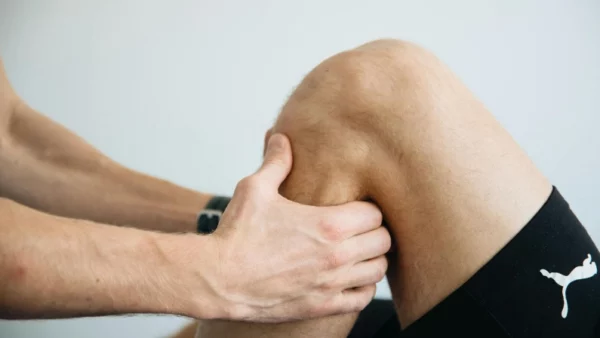
Muscle recovery and injury prevention require more than just rest. Taking care of your body before pain becomes a problem makes a difference. Remedial massage eases tension, improves flexibility, and supports faster healing.
Athletes, office workers, and those recovering from injuries benefit from regular sessions. By improving circulation, reducing stiffness, and correcting imbalances, remedial massage helps prevent small issues from turning into long-term problems.
Adding remedial massage to your routine keeps muscles strong, movement smooth, and pain at a minimum. Instead of waiting for discomfort, choose better muscle health today.

